

Fewer stimuli, more enjoyment
Stimulus-sensitive children and adults don’t feel safe in a place with too many stimuli. So we try to reduce the number of stimuli in as many ways as we can.
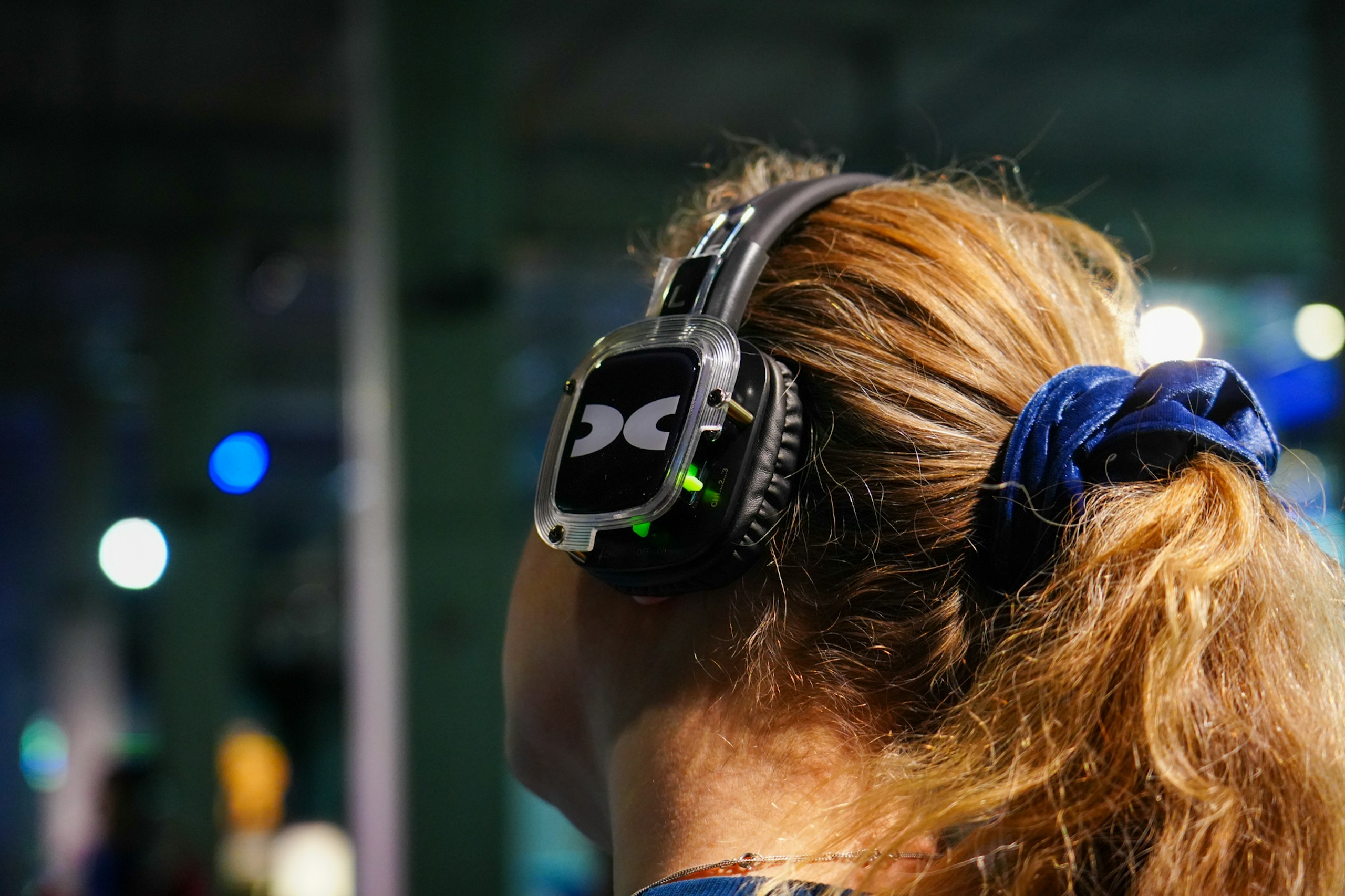
We allow no more than 375 visitors, and we minimise light and sound as much as possible. For instance, we switch off the public address system and (where possible) the screens. Furthermore, you can arrive and leave whenever you want.
Come and experiment
Our main exhibition remains one big open space. That means you get a lot of stimuli, but also more of an overview. Exhibits with lots of stimuli have a special sign.
As additional support on this day, we offer a modified visual roadmap and sensory guide and an stimulus basket with aids such as sunglasses, gloves, fidgets, etc.
Is it all getting too much?
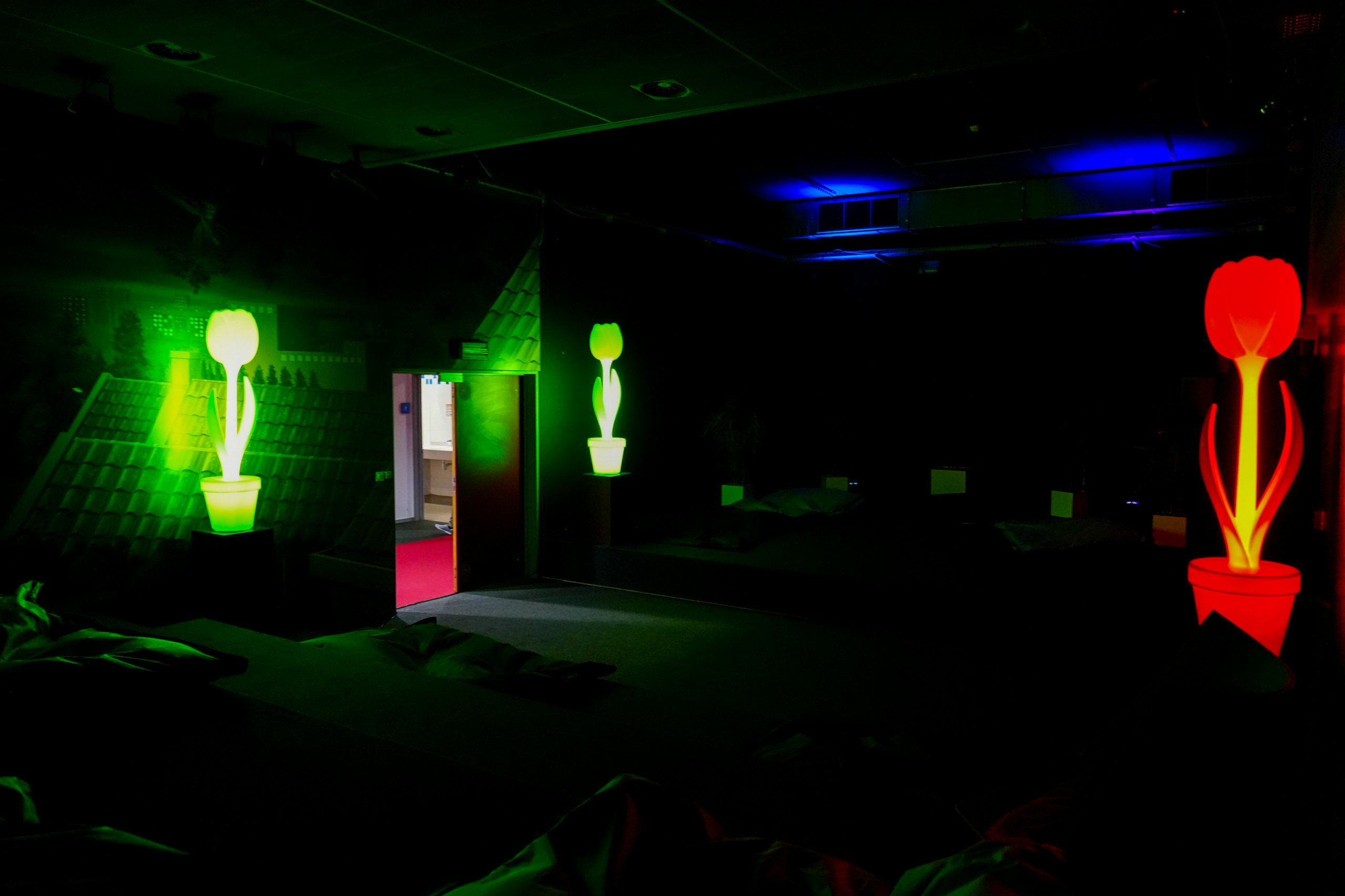
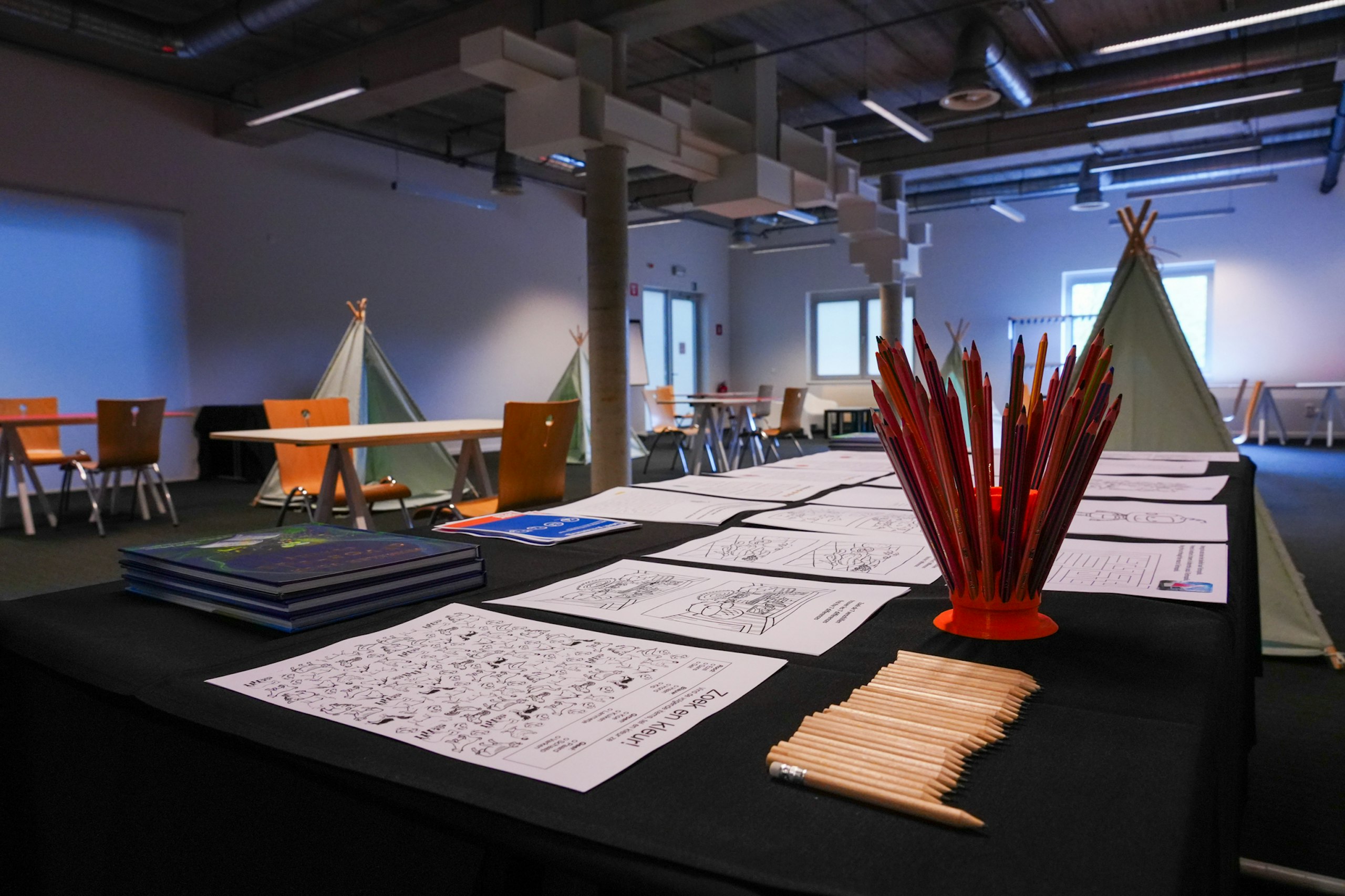
We know the feeling. That’s why we have provided three low-stimulus relaxation rooms with books to read, weighted cuddly toys and more to help people catch their breath.
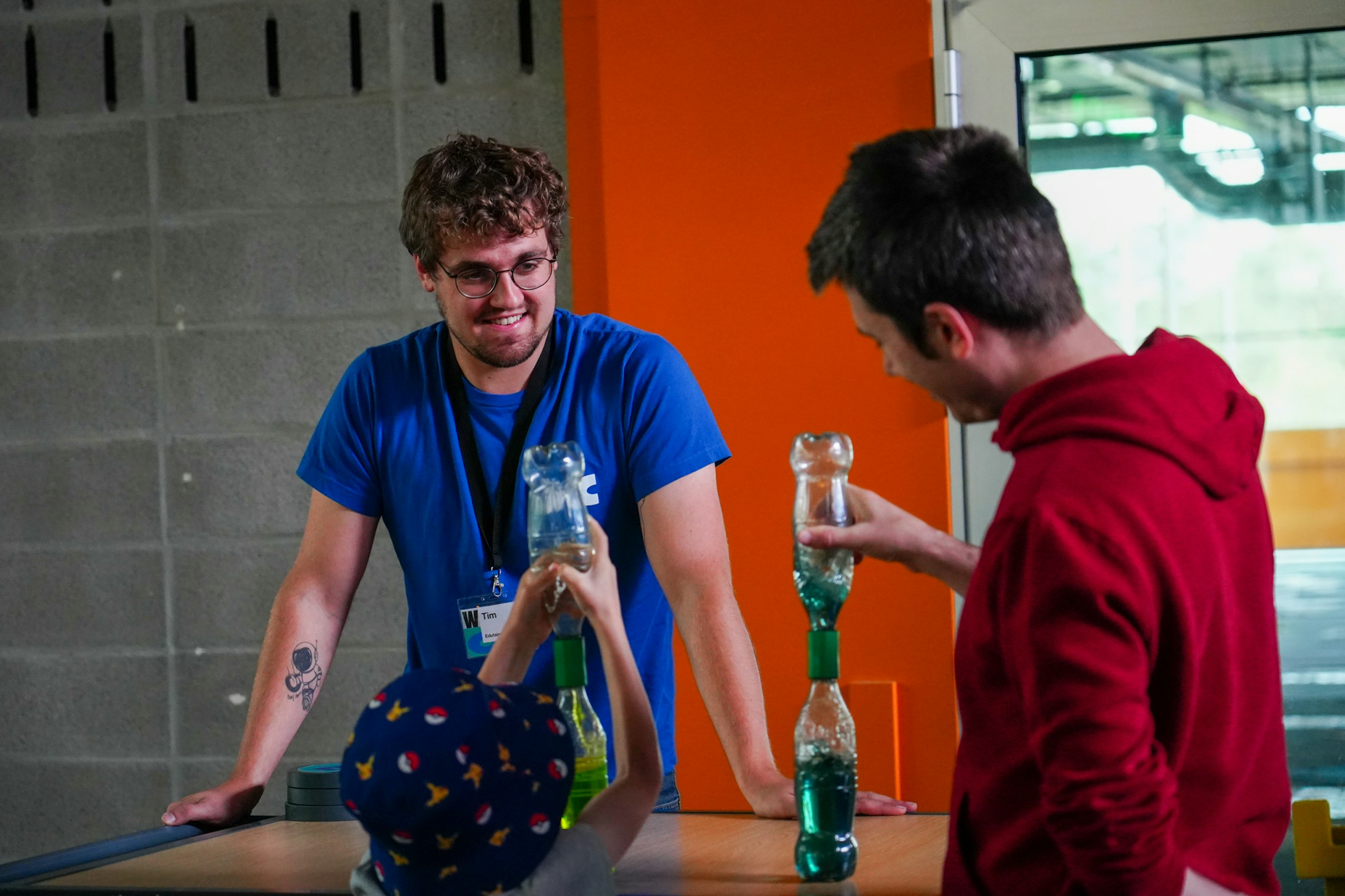
Our staff are also given training about autism and they keep an extra eye on things on low-stimulus day.

On the programme
| 11.00 am — 11.15 am | Demo “Rob‑e” |
| 11.30 am — 12.00 pm | Show “Frankenstaal’s robot” |
| 12.30 pm ‑12.45 pm | Het grote doctor Elektro-spektakel |
| 1.30 pm — 2.00 pm | Show “Frankenstaal’s robot” |
2.15 pm — 2.30 pm | Het grote doctor Elektro-spektakel |
3.00 pm — 3.30 pm | Show “Frankenstaal’s robot” |
| 3.45 pm — 4.00 pm | Het grote doctor Elektro-spektakel |




Why a low-stimulus day?
Because everyone has the right to a chance to find out how much fun science and technology are, including children and adults who have difficulty processing stimuli. During the low-stimulus day, we do our best to create an environment where everyone can feel safe.
Who can take part?
Everyone who needs a low-stimulus environment to be able to enjoy an outing to Technopolis and one or more companions.
Get your tickets on time
We deliberately limit visitor numbers. To be sure that there is still room, it is best to buy your tickets online now. Accompanying adults need a ticket as well.
Low-stimulus, not no-stimulus
We can’t prevent enthusiastic visitors creating extra stimuli. But we do our best by keeping an eye on things.
Right to free admission?
Or do you have an annual pass? If so, add a ‘free ticket’ to your order via the ticket module. People with disabilities are entitled to a reduced admission fee on presentation of their European Disability Card. In addition, we give free admission to one accompanying adult per person with a disability.
We learn too
If you have any ideas or tips for our low-stimulus days, feel free to let Marian Michielsen know at marian.michielsen@technopolis.be. Be sure to fill in the survey afterwards.
About processing stimuli
A lot of stimuli have to be processed in our daily lives. They are often experienced as normal. But if the brain is unable to process these stimuli simultaneously, information processing problems arise. This can lead to all sorts of issues, such as difficulty concentrating, anxiety or over-stimulation.
People with non-congenital brain damage and those with ASD often benefit from low-stimulus environments. People with ADHD or epilepsy, or those recovering from a brain haemorrhage, burn-out, concussion or a stroke have more difficulty processing stimuli as well.